
The Ultimate Guide to Fitness Coaching for Addiction Recovery
WHAT FITNESS COACHING FOR ADDICTION RECOVERY REALLY IS
Most people hear “fitness” and think:
“Gym time.”
“Workouts.”
“Extra recreation.”
In treatment, that mindset couldn’t be further from the truth.
Fitness coaching for addiction recovery is a structured, trauma-informed system of movement, nervous-system regulation, breathwork, progressive challenge, routine building, and relational support designed specifically for clients working through detox, residential treatment, PHP, IOP, or sober living.
A true recovery-specific fitness coach understands:
- Withdrawal physiology
- PAWS (post-acute withdrawal syndrome)
- Sleep dysregulation
- Medication side effects
- Trauma responses
- Anxiety and emotional flooding
- Low motivation and executive dysfunction
- Body image sensitivity
- Learned helplessness and shame cycles
- Neurochemical depletion (dopamine, serotonin, BDNF)
This is not a “workout.”
It’s behavioral activation, somatic integration, and clinical reinforcement.
When implemented properly, fitness coaching for addiction recovery becomes a powerful extension of your treatment model — strengthening therapist outcomes, stabilizing clients, and reinforcing daily structure.
THE NEUROSCIENCE: WHY FITNESS COACHING WORKS

Modern neuroscience heavily supports the integration of movement into addiction treatment. Below are the core mechanisms that make fitness coaching for addiction recovery so effective.
1. Dopamine Restoration & Reward System Repair
Substance use disorders disrupt dopamine signaling and reward pathways, leaving clients feeling:
- Flat
- Unmotivated
- Emotionally numb
- Easily overwhelmed
- Slow to experience pleasure
NIH research shows that consistent physical activity improves dopamine receptor availability. This means:
- Motivation increases
- Pleasure response normalizes
- Cravings lessen
- Emotional resilience grows
This alone is a powerful reason to implement fitness coaching for addiction recovery — it repairs the same reward circuits damaged by drug use. According to NIDA research on exercise and recovery, consistent movement supports long-term healing of reward pathways.
2. Stress & Anxiety Reduction Through Somatic Regulation
Most clients in treatment experience chronic sympathetic activation (fight/flight). Fitness sessions built for recovery shift the body into regulated states through:
- Controlled breath patterns
- Rhythmic movement
- Progressive load
- Time-under-tension sequences
- Grounding exercises
- Guided cooling down
Clients return to therapy calmer, more open, and better regulated. An NIH review supports this, showing that exercise reduces stress responses and improves emotional regulation.
Clinicians immediately feel the difference.
3. Improved Executive Function & Impulse Control
Addiction weakens the prefrontal cortex — the brain’s center for:
- Decision-making
- Planning
- Problem-solving
- Emotional regulation
- Long-term thinking
Structured, repeated physical routines promote neuroplasticity and help heal these cognitive systems. NLM confirms that exercise directly enhances memory, planning, and executive functioning.
Evidence shows measurable improvements in:
- Follow-through
- Delayed gratification
- Stress tolerance
- Focus and attention
- Impulse control
This is why fitness coaching for addiction recovery becomes such a powerful clinical ally. It reinforces what therapy aims to build.
4. Depression Relief & Rapid Mood Enhancement
Exercise increases:
- Endorphins
- Serotonin
- BDNF (brain-derived neurotrophic factor)
- Quality of sleep
- Cognitive clarity
As noted by the CDC, physical activity significantly improves mood stability and emotional well-being.
Clients who often feel hopeless or emotionally heavy report tangible mood relief after movement. The American Psychological Association also highlights exercise as an effective non-pharmacological intervention for depression.
In addiction recovery, this benefit is priceless.
WHY FITNESS COACHING FOR ADDICTION RECOVERY INCREASES RETENTION
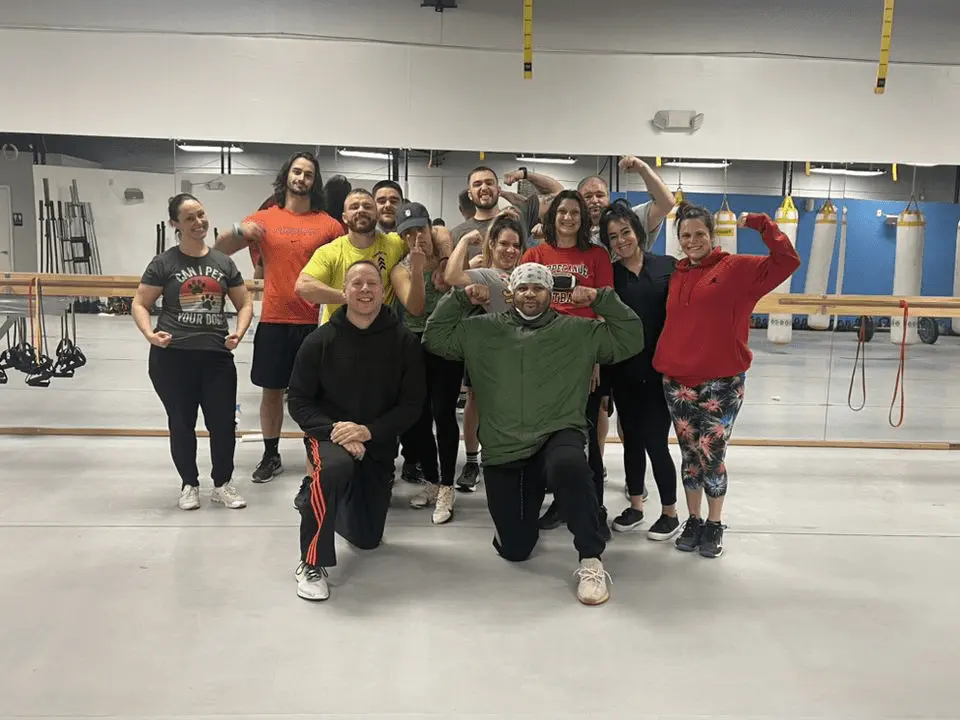
One of the most consistent findings in treatment-center outcomes is this:
Clients who feel better physically are less likely to AMA.
Here’s why:
1. Early Wins Create Psychological Momentum
Clients see progress quickly:
- Completing a workout
- Doing something hard
- Receiving encouragement
- Building confidence
Early victories reduce the urge to flee when emotions spike.
2. It Builds Community Outside of Therapy
Clients bond in fitness sessions.
They laugh, struggle, breathe, sweat, and succeed together.
This strengthens attachment to the program.
3. It Reduces Emotional Flooding
Movement burns excess adrenaline and cortisol, reducing the emotional intensity that often drives AMA decisions.
4. It Gives Clients Predictable Structure
Routine is one of the strongest predictors of treatment completion.
Fitness coaching for addiction recovery provides daily or weekly anchors clients can rely on.
More structure = more retention.
CLINICAL ALIGNMENT: HOW FITNESS COACHING SUPPORTS THERAPISTS AND CASE MANAGERS

Treatment centers often ask:
“How does fitness coaching actually integrate with clinical work?”
Here’s the truth:
When implemented correctly, fitness coaching for addiction recovery becomes a clinical multiplier — helping therapists, case managers, group facilitators, and medical staff do their jobs more effectively.
Below is how it strengthens each major therapeutic discipline.
1. CBT (Cognitive Behavioral Therapy) Integration
CBT emphasizes changing thoughts, behaviors, and emotional responses.
Movement creates real-time opportunities to reinforce CBT skills:
- Thoughts:
“I can’t do this” → “I’m capable of more than I thought.” - Behaviors:
Showing up for a workout when tired builds consistency. - Emotions:
Using breath regulation to manage frustration or anxiety.
Fitness coaches often hear the same self-limiting beliefs therapists hear — giving the team an opportunity to align interventions.
This natural overlap makes fitness coaching for addiction recovery a direct extension of CBT frameworks.
2. DBT (Dialectical Behavior Therapy) Alignment
DBT relies on four pillars:
- Mindfulness
- Distress tolerance
- Emotion regulation
- Interpersonal effectiveness
Fitness sessions reinforce all four:
- Mindfulness: clients stay present through breath and movement
- Distress tolerance: they push through discomfort without quitting
- Emotion regulation: exercise reduces emotional spikes
- Interpersonal effectiveness: teamwork and encouragement build communication
This is why centers running DBT groups see a measurable improvement in group engagement when movement is added.
3. Motivational Interviewing (MI) Support
Many clients arrive ambivalent about change.
Fitness coaches trained in recovery language use MI-style communication:
- Open-ended questions
- Reflections
- Affirmations
- Eliciting client-driven change statements
For example:
“What does showing up today say about where you want your life to go?”
“How can movement support the goals you talked about in therapy?”
This is fitness coaching for addiction recovery used as a motivational catalyst — not a workout.
4. Trauma-Informed Practice
Most clients in treatment have trauma histories.
This requires a careful, clinically aligned approach to physical movement.
Trauma-informed fitness coaching for addiction recovery includes:
- Choice-based participation
- Non-triggering language
- No yelling, shaming, or competitive pressure
- Clear pacing and predictable session flow
- Respect for personal boundaries
- Slow intensity progression
- Emotional check-ins
Clients should never feel:
- Overwhelmed
- Exposed
- Judged
- Forced
- Pushed too hard
This aligns with SAMHSA’s national trauma-informed care principles for behavioral health.
Safety is the foundation of transformation.
5. Somatic Integration & Nervous-System Regulation
Clinical teams often discuss:
- Hyperarousal
- Emotional flooding
- Shutdown
- Disassociation
- Panic spikes
Fitness coaches trained in somatic techniques help clients reconnect to their bodies through:
- Breath-to-movement timing
- Grounding exercises
- Slow eccentric patterns
- Stabilization work
- Rhythmic sequencing
This improves emotional regulation and sets clients up to succeed in therapy immediately afterward.
HOW FITNESS COACHING FOR ADDICTION RECOVERY REDUCES STAFF BURNOUT

“Clients are dysregulated.”
“Group was chaotic.”
“He’s not responding to anything today.”
“She’s flooded and wants to leave.”
These are daily realities for clinicians.
Adding fitness coaching for addiction recovery directly reduces staff burnout by:
1. Creating an additional regulated space
Clients have more than one place to decompress.
2. Discharging physical anxiety
Movement burns off the emotional pressure clients otherwise unload onto staff.
3. Reducing behavioral escalations
Calmer clients → fewer crises.
4. Improving group cohesion
Fitness groups build community and reduce conflict.
5. Giving clients a predictable routine
Routine reduces overwhelm and improves attendance in therapy.
6. Supporting case managers with mood + engagement insights
Fitness coaches often observe patterns before escalations happen.
This allows earlier intervention.
Together, these elements create a clinical environment where staff feel more supported and less emotionally drained.
THE OPERATIONAL AND BUSINESS IMPACT FOR TREATMENT CENTERS

Executives, program directors, and owners care about:
- Outcomes
- Retention
- AMA rates
- Staff sustainability
- Insurance positioning
- Competitive advantage
- Market differentiation
- Alumni success
- Referral strength
Fitness coaching for addiction recovery supports all of these.
1. Increased Treatment Retention
Centers consistently report:
- Lower AMA rates
- Higher group attendance
- Longer lengths of stay
- Better client engagement
Movement stabilizes dysregulated clients, reducing impulsive departures.
2. Stronger Clinical Outcomes (Documentable)
Insurance payers expect:
- Evidence-based practices
- Multi-dimensional support
- Functional improvement
- Matched modalities to client needs
When centers track fitness session participation, mood changes, and engagement, they add measurable data to their UR submissions.
This strengthens medical necessity documentation.
3. Competitive Differentiation in a Crowded Market
Most treatment centers:
- Talk about trauma
- Talk about therapy
- Talk about holistic care
But only a small percentage truly implement fitness coaching for addiction recovery with clinical alignment.
This becomes a competitive edge in sales, marketing, and admissions.
4. Staff Retention and Morale Improvements
Emotionally regulated clients =
Less burnout → higher staff retention → lower hiring/training costs.
This matters for business sustainability.
5. Alumni and Aftercare Strengthening
Clients who leave treatment with a fitness routine are:
- More regulated
- Less depressed
- Less isolated
- More confident
- More likely to stay sober
- More likely to engage with alumni programs
This directly increases long-term success metrics.
CLIENT PERSPECTIVE: HOW FITNESS COACHING CHANGES SELF-BELIEF

Clients repeatedly report that fitness groups give them:
- A sense of progress
- A feeling of capability
- Emotional stability
- A regulated “reset”
- Community support
- A break from emotional overwhelm
- Confidence they haven’t felt in years
Clients begin saying things like:
- “I didn’t think I could do this.”
- “I feel proud of myself.”
- “I needed this today.”
- “This helped me get out of my head.”
- “I actually feel like I’m getting better.”
These breakthroughs directly support clinical goals. NIH studies confirm that movement-based interventions enhance cognitive clarity and self-efficacy—both critical for early recovery success.
PROGRAM DESIGN: HOW TO BUILD FITNESS COACHING FOR ADDICTION RECOVERY INSIDE A TREATMENT CENTER
Designing an effective program requires an understanding of clinical needs, operational limitations, and client psychology. Fitness coaching for addiction recovery must be tailored, structured, and trauma-informed to ensure safety, engagement, and therapeutic alignment.
Below is the model used by facilities that successfully implement it.
1. Intake, Screening, and Safety Assessment
Every client should receive a basic readiness evaluation before beginning movement, including:
- Current medications
- Detox status
- Cardiovascular concerns
- Injuries or chronic pain
- Eating disorder risks
- Trauma triggers
- Mobility limitations
- Psychiatric symptoms
- Fatigue or dizziness
This ensures that fitness coaching for addiction recovery begins safely and avoids re-traumatization or physical risk.
2. Low-Barrier, Accessible Movement
Fitness sessions should NOT feel intimidating.
Clients in early recovery often experience:
- Low energy
- Shame about their bodies
- Fear of being judged
- Anxiety
- Depression
- Physical discomfort
Effective fitness coaching for addiction recovery uses:
- Bodyweight movements
- Slow tempo sequences
- Breath-to-movement timing
- Light dumbbells or resistance bands
- Circuit-style training with minimal complexity
- Non-competitive structure
The goal is emotional success, not athletic performance.
3. Predictable Session Structure
Clients thrive with routine.
The most successful programs follow a consistent flow:
- Arrival + mood check
- Warm-up + breathwork
- Low-barrier activation
- Main workout (scalable)
- Cooldown + grounding
- Closing reflection
Predictability reduces anxiety and increases attendance.
4. Trauma-Informed Coaching Approach
Because many clients have trauma histories, fitness coaching for addiction recovery must operate with therapeutic sensitivity.
That includes:
- No yelling
- No shaming
- No forced participation
- No comparison between clients
- Clear consent for physical adjustments
- Avoidance of triggering drills
- Emphasis on personal choice
- Respect for boundaries
- Safe space for emotions
Fitness should be a place where clients feel empowered — not overwhelmed.
5. Scalable Intensity Options
A single group will contain:
- Athletes
- People with chronic pain
- People detoxing
- People with anxiety
- People with low fitness levels
To accommodate this, fitness coaching for addiction recovery must include:
- Level 1 (beginner) version
- Level 2 (intermediate) version
- Level 3 (advanced) version
…all of which can be done simultaneously in the same room.
Nobody should feel left out.
6. Integrating Mind-Body Techniques
Fitness for recovery is not just movement — it’s regulation.
Sessions should include:
- Grounding
- Deep breathing
- Somatic relaxation
- Stretching
- Time under tension
- Slow transitions
These elements help clients re-enter the milieu calmer and more emotionally stable.
FITTING FITNESS COACHING FOR ADDICTION RECOVERY INTO EACH LEVEL OF CARE

One of the biggest strengths of this model is its adaptability across the continuum. Below is a breakdown of how different levels of care utilize fitness coaching.
Detox
Focus: gentle movement + breathwork
Clients may be experiencing:
- Nausea
- Fatigue
- Anxiety
- Insomnia
- Nervous-system spikes
In detox, fitness coaching for addiction recovery should be restorative:
- Light stretching
- Very short mobility sequences
- Breathwork
- Grounding
- Gentle walking
- Nervous-system resets
No intensity.
No pressure.
Just stabilization.
Residential Treatment
Focus: basic structure + community building
Clients begin participating in:
- Easy circuits
- Low-pressure workouts
- Team-building movement
- Short intervals to build confidence
Residential is where fitness coaching for addiction recovery builds routine and emotional momentum.
PHP (Partial Hospitalization Program)
Focus: consistency + progressive challenge
PHP clients typically have:
- Increased energy
- More cognitive focus
- Stronger group cohesion
This is the best phase for:
- Goal-setting
- Progressive overload
- Routine building
- Habit formation
Fitness becomes a core part of their weekly structure.
IOP (Intensive Outpatient Program)
Focus: independence + habit reinforcement
Here, clients may benefit from:
- Hybrid in-person and app-based programs
- Personalized routines
- Accountability check-ins
- Dopamine-stabilizing workouts
In IOP, fitness coaching for addiction recovery helps clients transition into real-world independence while staying emotionally regulated.
Sober Living & Alumni
Focus: long-term wellness + relapse prevention
Clients in this phase benefit from:
- Continued community
- Ongoing accountability
- Structured routines
- Coaching to prevent relapse triggers
- Healthy lifestyle reinforcement
Long-term engagement strengthens alumni outcomes.
IMPLEMENTATION ROADMAP: HOW TO ADD FITNESS COACHING FOR ADDICTION RECOVERY TO YOUR CENTER
Below is the 3-phase roadmap used by high-performing treatment centers.
PHASE 1 — DISCOVERY & ALIGNMENT
Your leadership team identifies:
- Primary goals (retention? engagement? stability?)
- Level of care integration
- Scheduling needs
- Space availability
- Safety protocols
- Documentation expectations
- Communication workflows
The goal is alignment — clinical, operations, and leadership must all understand the “why.”
PHASE 2 — PILOT PROGRAM (3 OR 6 WEEKS)
During the pilot, your center tests fitness coaching for addiction recovery with a clear structure:
What to track:
- Attendance
- Mood shifts
- Behavioral observations
- Clinical team feedback
- AMA incidents
- Client satisfaction
This pilot period produces real data you can use for:
- Utilization review
- Clinical meetings
- Insurance audits
- Company marketing
- Program improvement
PHASE 3 — SCALE BASED ON RESULTS
If the pilot shows measurable benefit (and it always does), your center can expand:
- Additional groups
- More levels of care
- App-based support
- New morning/evening sessions
- Dedicated fitness tracks
- Alumni programming
- Nutrition support add-ons
This is where fitness coaching for addiction recovery becomes a permanent part of your culture.
Elevate Your Outcomes with a 3-Week Wellness & Fitness Pilot
Treatment Center CEOs, Clinical Directors, and Program Leaders are facing higher demands than ever — from insurance, from families, and from outcome-driven care. This pilot gives you a measurable, trauma-informed wellness solution built specifically for addiction recovery.
- Trauma-informed fitness coaching designed for recovery
- Attendance, engagement, and mood tracking
- Behavior insights aligned with your clinical staff
- Structured sessions that regulate clients and support staff
- Leadership-ready progress reports and outcome metrics
- Clear data on retention, morale, and client stabilization
No long-term commitment — just clear, measurable results.
MEASURING IMPACT: THE DATA EVERY CENTER SHOULD TRACK
Treatment centers that integrate fitness coaching succeed because they track the right metrics.
Here’s what matters.
1. Attendance & Participation Rates
Higher attendance = higher engagement in treatment overall.
2. Mood Before + After Sessions
Clients often show immediate reductions in:
- Anxiety
- Irritability
- Depression
- Emotional overwhelm
3. AMA Incidents
Many centers report drops of 15–40% once clients experience the structure and emotional relief of fitness groups.
4. Group Engagement
Therapists often report:
- More focus
- More vulnerability
- More emotional regulation
- Less chaos
after fitness sessions.
5. Staff Feedback & Clinical Observations
Case managers and therapists report fewer emotional crises.
6. Alumni Reports
Clients frequently say that fitness was one of the most helpful parts of their treatment experience.
WHY PARTNER WITH RECOVERY FITNESS CLUB

Many treatment centers attempt to build wellness programs internally — and discover the enormous burden it places on clinical and operations staff. Recovery Fitness Club was designed specifically to solve those pain points.
Our approach to fitness coaching for addiction recovery is:
- Clinically aligned
- Trauma-informed
- Scalable
- Fully managed
- Outcome-driven
- Built to reduce staff workload, not increase it
Below are the core pillars that make RFC the ideal partner.
1. Trauma-Informed, Low-Barrier Movement Designed for Early Recovery
RFC programs are built around:
- Predictable structure
- Consent-based participation
- Gentle progression
- Non-competitive environments
- Emotional safety
- Nervous-system regulation
We do not run military-style boot camps, intimidating workouts, or ego-driven fitness sessions.
This is fitness coaching for addiction recovery, not high-performance athletics.
Clients leave feeling stable, proud, and grounded — which supports the clinical team’s work.
2. Communication + Documentation for Clinical Integration
RFC provides treatment centers with:
- Attendance logs
- Engagement data
- Mood shifts
- Behavior observations
- Early-warning indicators
- Clinical-aligned language
This documentation strengthens:
- UR submissions
- Treatment planning
- Chart reviews
- Discharge summaries
- Outcome reporting
- Insurance audits
We speak the language of treatment — and integrate seamlessly into your clinical workflow.
3. Multi-Level Care Model Compatibility
RFC can operate in:
- Detox
- Residential
- PHP
- IOP
- Sober living
- Alumni programs
And because our fitness coaching for addiction recovery framework is modular, your center can implement it in one track, then scale outward with ease.
4. Optional App-Based Support
For PHP, IOP, or alumni, RFC provides app-based movement programs that include:
- Custom workouts
- Instructional videos
- Daily check-ins
- Mood tracking
- Accountability systems
- Nutrition guidance
This delivers continuity of care — a critical factor in long-term sobriety.
5. Staff Relief and Burnout Protection
RFC programs reduce clinical burnout by giving clients:
- A place to decompress
- A predictable emotional reset
- A routine that calms them before groups
- A structured outlet for anxiety and agitation
That means:
- Fewer emotional crises
- Less chaos in the milieu
- Improved group cooperation
- Better energy during therapy
- More stable clients for case managers
6. Stronger Retention, Better Outcomes, and Higher Satisfaction
Centers using RFC report:
- Increased length of stay
- Lower AMA rates
- Higher client satisfaction
- More positive reviews
- Stronger alumni engagement
- Better staff morale
These are measurable business impacts tied directly to fitness coaching for addiction recovery.
Fitness Coaching for Addiction Recovery FAQ
What exactly is fitness coaching for addiction recovery?
It is a trauma-informed movement, regulation, and behavioral activation program designed specifically for people in early recovery. It improves mood, structure, emotional regulation, and treatment engagement.
How is this different from a regular gym session?
Fitness coaching for addiction recovery prioritizes:
- Nervous-system regulation
- Emotional safety
- Clinical alignment
- Routine-building
- Behavioral insights
- Trauma-sensitive communication
It is not fitness for aesthetics — it is fitness for stabilization and healing.
Is it safe for clients in detox or early residential?
Yes — when facilitated by trained professionals who understand withdrawal, PAWS, and trauma-informed care. Detox-level sessions are extremely gentle and focus on grounding, breathwork, and mobility.
How does this benefit therapists and case managers?
Clients become:
- More regulated
- Less reactive
- More engaged
- Easier to redirect
- More consistent in attendance
Fitness coaching reduces emotional overload on staff and improves the therapeutic environment.
Does fitness coaching actually reduce AMA rates?
Many centers report noticeable decreases. When clients feel physically better, emotionally calmer, and more connected to peers, they are less likely to impulsively leave treatment.
What space or equipment is needed?
Very little. Most programs require:
- A small multipurpose room
- Mats
- Bands
- Light dumbbells
- A safe walkable area
RFC can operate even in limited space.
Can this integrate with PHP and IOP?
Yes. In fact, fitness coaching for addiction recovery is extremely effective at the PHP/IOP levels because clients need support transitioning into more independent routines.
How do we measure the impact?
We track:
- Attendance
- Mood changes
- Engagement
- Behavior indicators
- AMA rates
- Staff feedback
- Treatment participation
This makes the impact clear and measurable.
Is fitness coaching covered by insurance?
Currently, most programs treat it as a value-add wellness service, not a billable clinical modality. However, the data collected strengthens medical necessity documentation for treatment as a whole.
How fast can a pilot be implemented?
Most centers can launch a pilot within 1–2 weeks once scheduling windows and program flow are agreed upon.
Rebuild Strength, Stability, and Purpose
Join a structured fitness program designed specifically for people in recovery. Restore balance, confidence, and community—one workout at a time.